


EARTH PROGRAM
Culture, Grounding, and Responsibility
The Earth program is about grounding: touching base with reality as it is, and understanding our place within the present moment. In the context of psychedelics, this means becoming more aware, more engaged, and more capable of meeting the complexity of our times with clarity and responsibility.
This program explores psychedelic culture as a living field shaped by politics, ethics, and history. It engages with questions of cognitive freedom, cultural respect, and the role of indigenous knowledge, not as something to romanticize, but as traditions to be understood, respected, and related to with integrity.
Earth is about participation. It invites us to take an active role in shaping the psychedelic movement through critical thinking, ethical action, and collective awareness, cultivating a culture that is informed, inclusive, and grounded in reality.
UPCOMING EVENTS
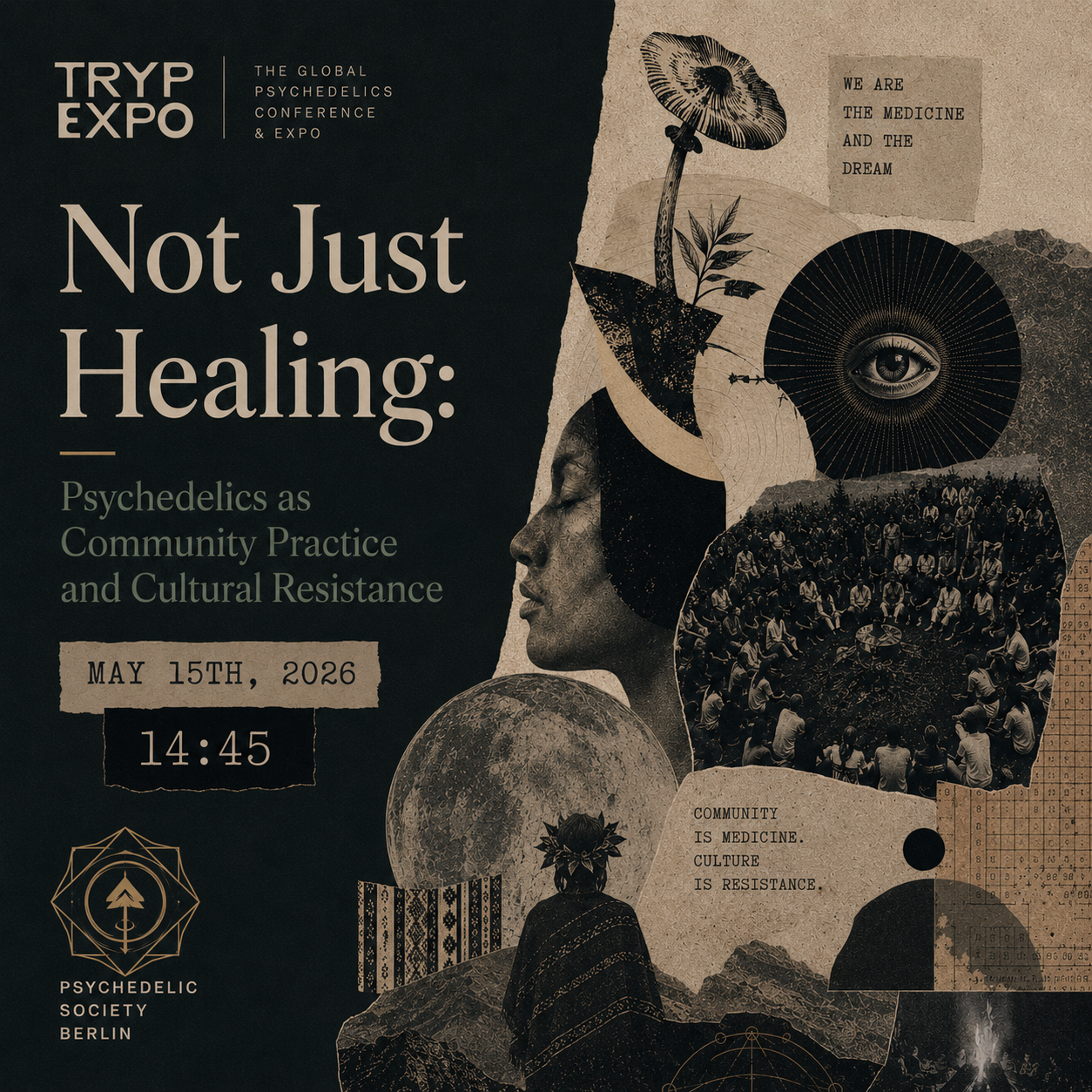
In recent years, psychedelics have increasingly been framed as tools for individual healing, optimization, and personal growth. But what happens when these experiences are disconnected from community, culture, political imagination, and collective care?
This keynote explores the idea that psychedelics are not only medicines for the self, but potential catalysts for new forms of social connection, cultural resistance, and communal transformation. Drawing from anthropology, underground psychedelic culture, indigenous perspectives, nightlife, ritual, and political theory, the talk reflects on how altered states have historically challenged rigid systems of control, excessive moral constraints, isolation, and hyper-individualism.
Rather than asking only “How can psychedelics heal me?”, this lecture asks: What kinds of communities can psychedelics help us build? What forms of solidarity, creativity, and resistance can emerge from expanded states of consciousness? And how do we protect these spaces from becoming fully commodified, medicalized, or politically neutralized?
This is an invitation to imagine psychedelic culture not merely as wellness, but as a living ecosystem of care, freedom, responsibility, and cultural experimentation
PAST EVENTS
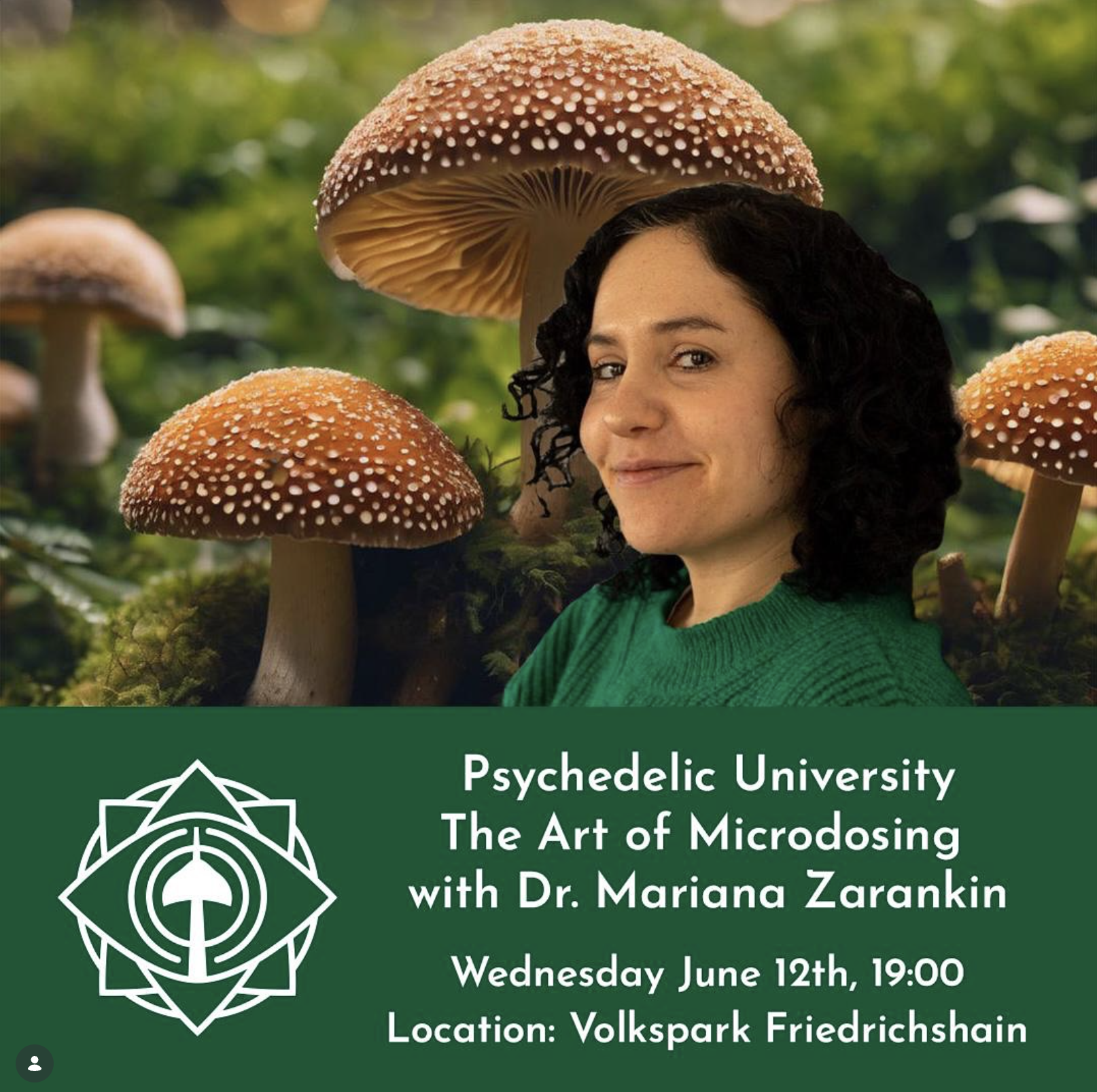
Mariana Zarankin, physician in integrative psychiatry, presents “The Art of Microdosing” with psilocybin. Topics: therapeutic models, neurobiology, microdosing practices, and individualized approaches—using microdosing as primary, complementary, or transitional treatment.Dr. Zarankin: trained in family & relationship therapy, EMDR, bioenergetics, psychedelic psychotherapy, and medicinal cannabis. Researches and teaches psilocybin microdosing; boards: Instituto de Terapia Vincular Familiar and Sociedad Argentina de Terapia Familiar; organizer of the Iberoamerican Microdosing Congress. IG: @dra.marianazarankin Website: dramarianazarankin.com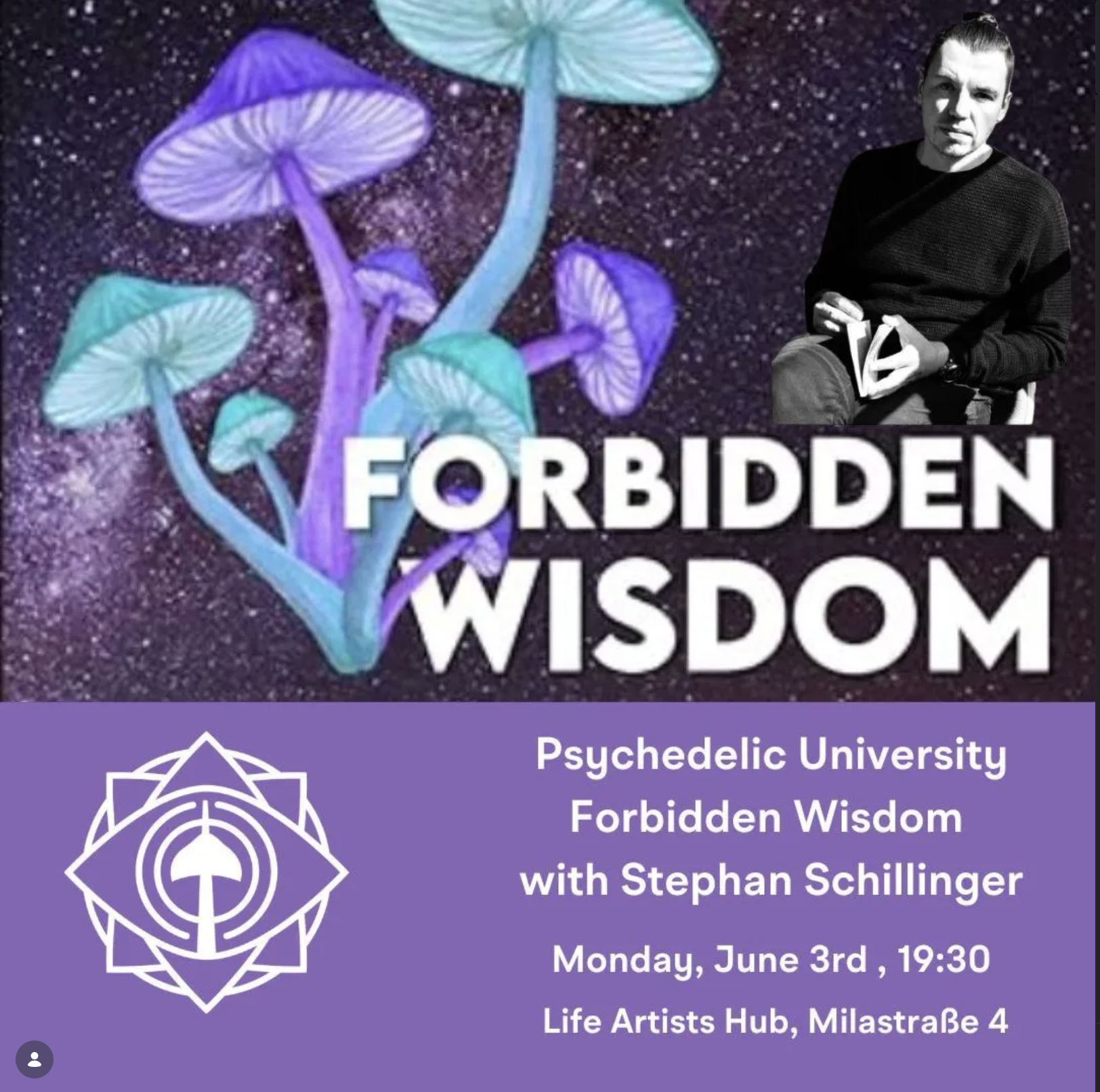
Stephan Schillinger presents a lecture on the entheogenic roots of spirituality and religion. Topics: mythic Eastern beverages, altered states of prophets, and the origins of the Christian Eucharist—what Huston Smith called “the best-kept secret in history.”

Schillinger explores the historical and scientific foundations of spiritual traditions, examining the role of altered states and psychedelic experiences in shaping religious narratives and practices. The talk connects sacred plants with spiritual lineages and offers a critical perspective on their relevance for contemporary seekers.
IG: @paruncurieuxhasard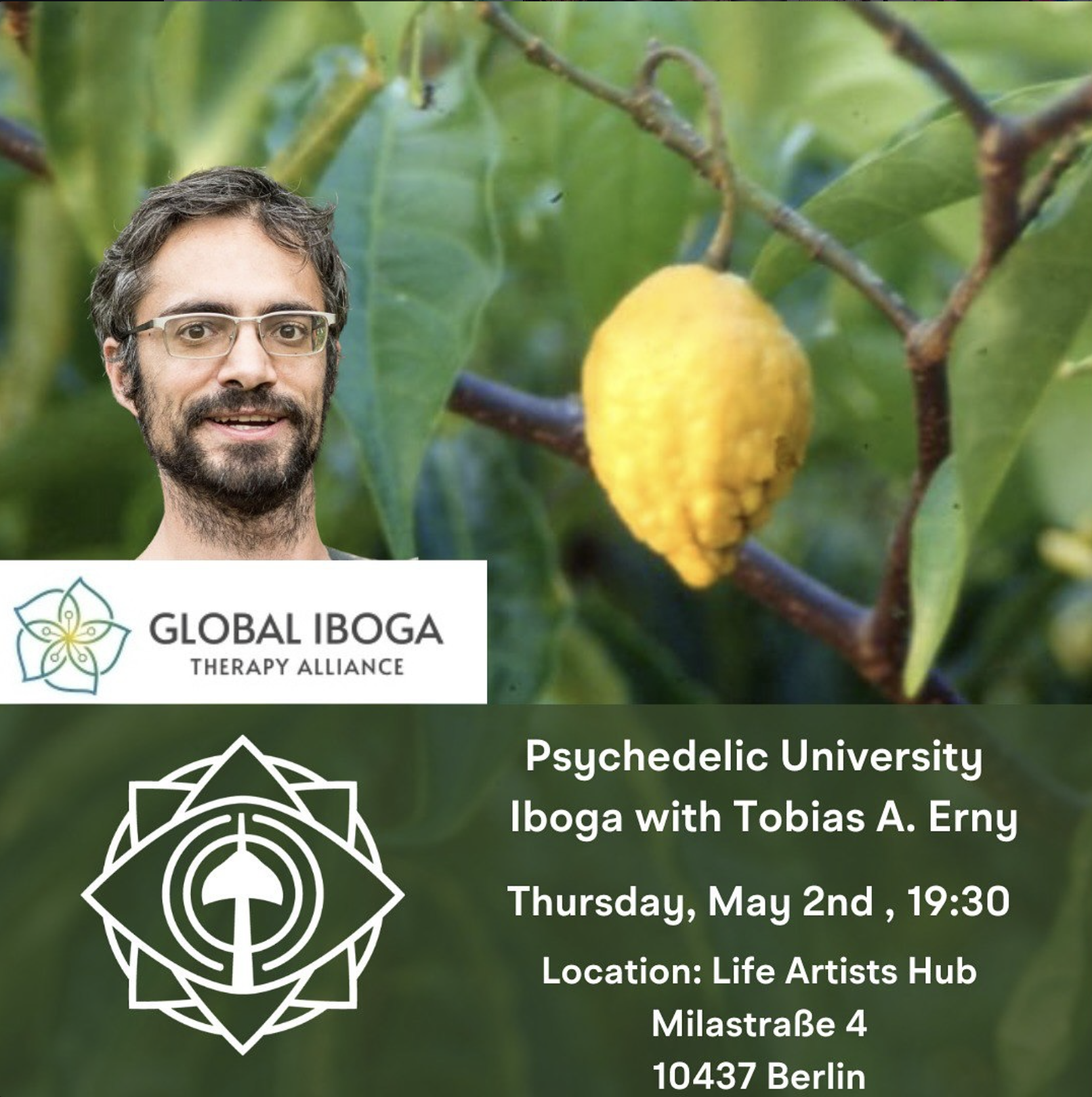
Tobias Erny presents an introduction to Iboga, a sacred medicine from West-Central Africa traditionally used in Bwiti initiation rites to access ancestral realms. Topics include its cultural context, neuropharmacology, therapeutic applications—particularly in addiction treatment—and the growing use of microdosing.

Erny, trained in the chemical-pharmaceutical industry in Basel, has worked with Iboga since 2006. He is co-author of the German standard publication on Iboga, organizes conferences, lectures internationally, and serves on the board of the Global Iboga Therapy Alliance (GITA), supporting research, education, and sustainable practices.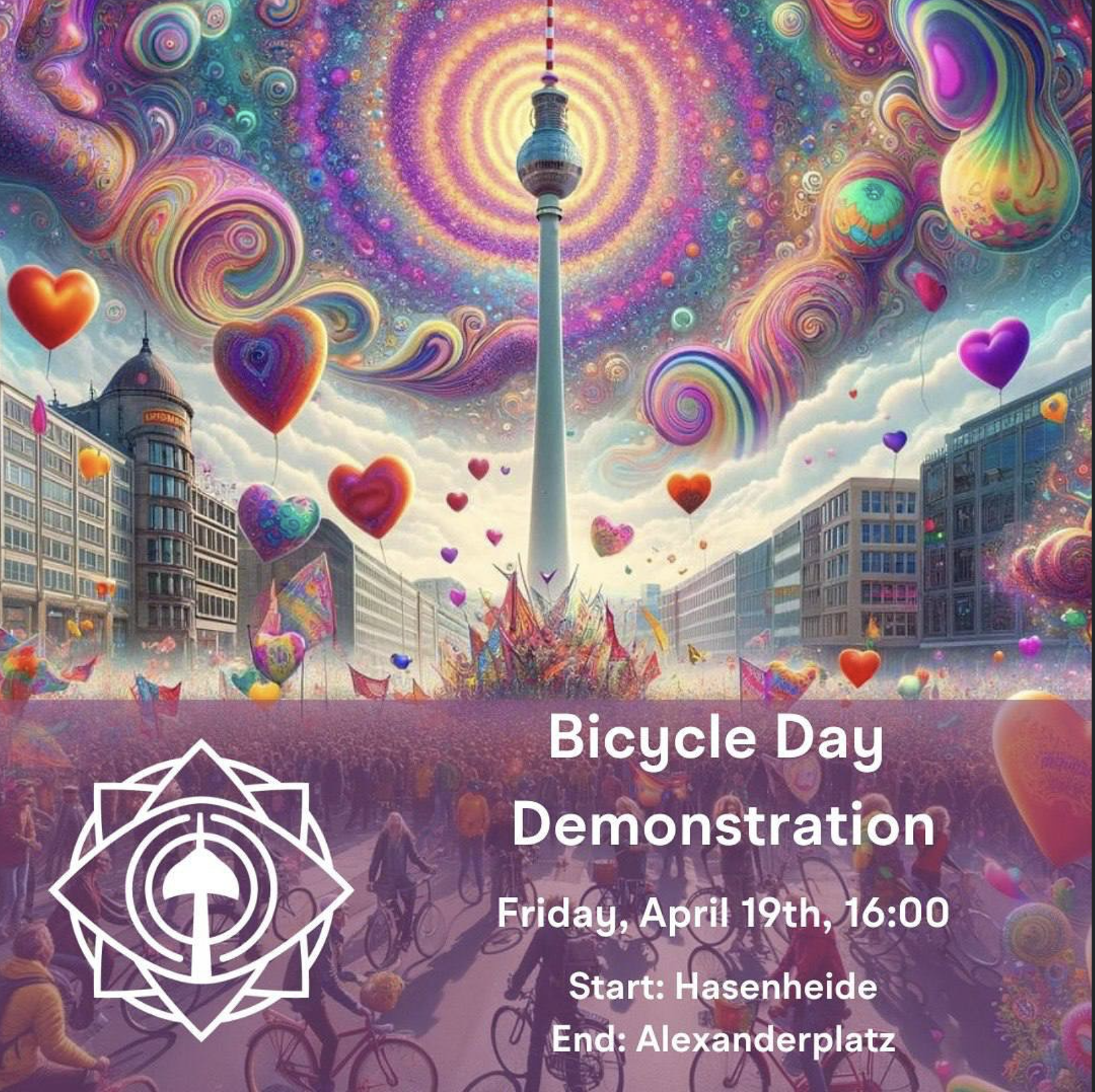
Join Psychedelic Society Berlin for a Bicycle Demonstration on April 19th, marking Bicycle Day and advocating for cognitive freedom and drug policy reform. Riding from Hermannplatz to Alexanderplatz, we gather as a collective voice calling for decriminalization, harm reduction, and a more compassionate, informed approach to psychoactive substances.

This public action invites both experienced advocates and curious newcomers to participate in a visible, peaceful demonstration for the right to explore consciousness responsibly and without stigma.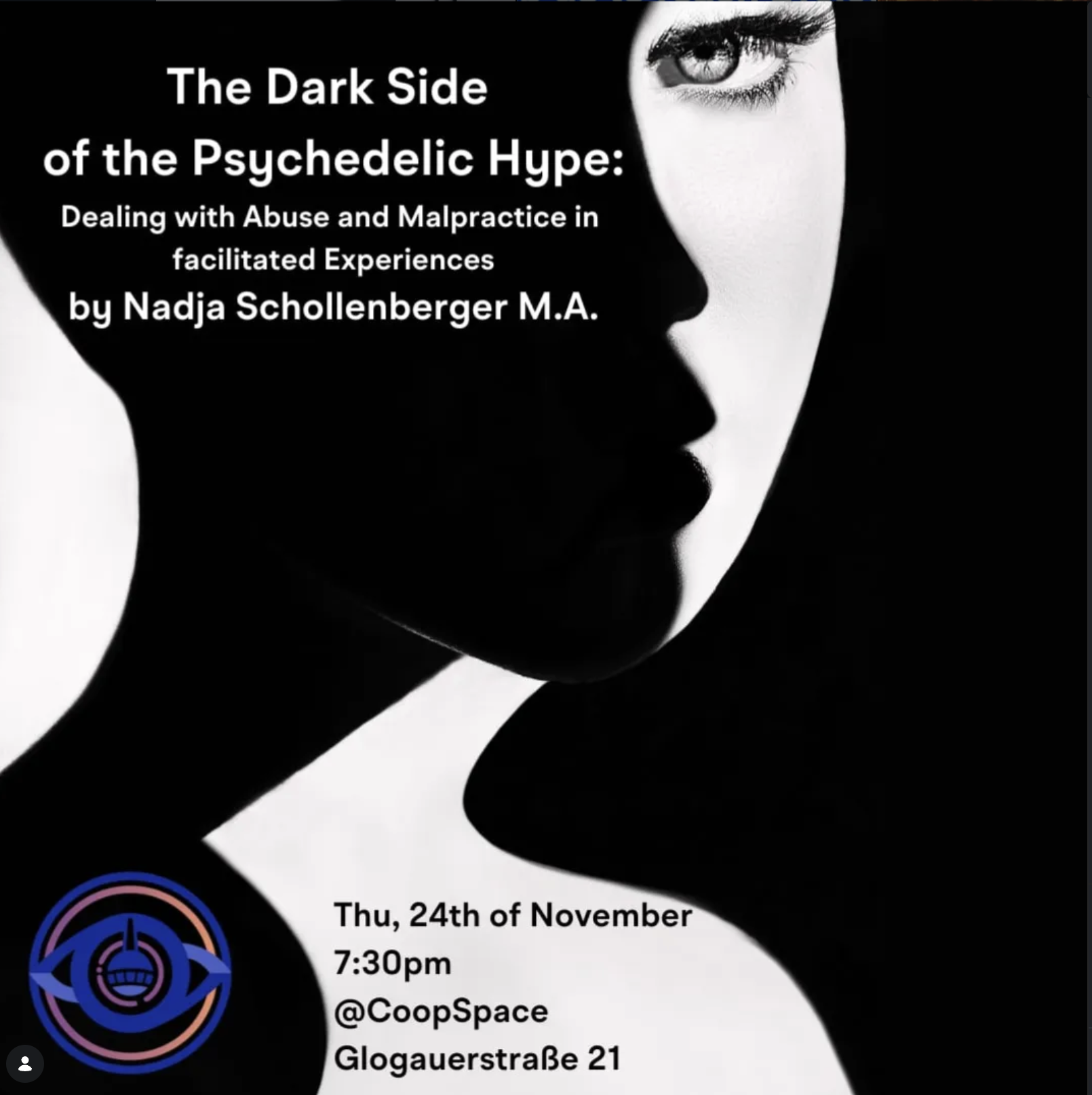
Nadja Schollenberger explores the ethical challenges emerging within the psychedelic renaissance, where growing interest is increasingly accompanied by cases of harm and abuse. Topics include how to identify trustworthy facilitators, recognize risks, and foster safer, more accountable practices within the community.

Schollenberger, trained in literature, philosophy, rhetoric, and journalism, works as an editor, writer, and translator. With over 25 years of experience and a decade of work with global traditions, she is co-founder of Psychedelic Society Berlin, advocating for a responsible and ethically grounded psychedelic culture.
Arne Harms explores the ethical dimensions of psychedelic use beyond therapy and spirituality, asking how these substances shape contemporary ideas of the “good life.” The lecture examines their ambivalent role in both reinforcing and challenging existing social and economic systems, and calls for a more serious engagement with so-called recreational use as part of ethical and everyday practice.

Harms is a Postdoctoral Researcher at the Max Planck Institute for Social Anthropology in Halle/Saale. Trained in environmental anthropology, his work focuses on ethics, activism, and displacement, alongside critical reflections on the psychedelic renaissance.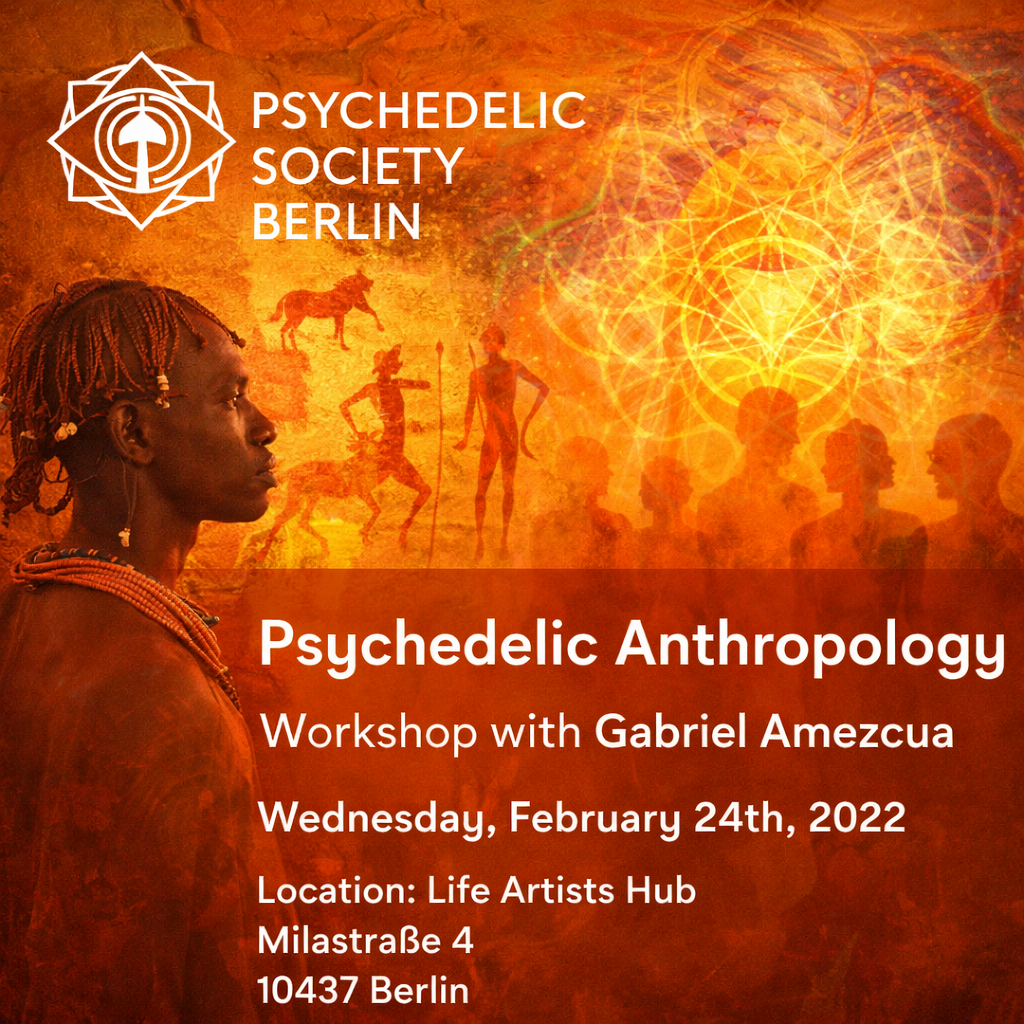
Gabriel Amezcua introduces psychedelic anthropology as a field that explores the relationship between humans, altered states of consciousness, and culture. The lecture examines how different societies have understood and integrated psychedelic experiences, and how these practices evolve as they move across contexts, raising questions of meaning, ethics, and transformation.

Amezcua is an anthropologist, body therapist, and founder of Psychedelic Society Berlin. With over 15 years of experience working at the intersection of psychedelic research, indigenous knowledge, and contemporary culture, his work focuses on building responsible, informed, and culturally aware approaches to the psychedelic field.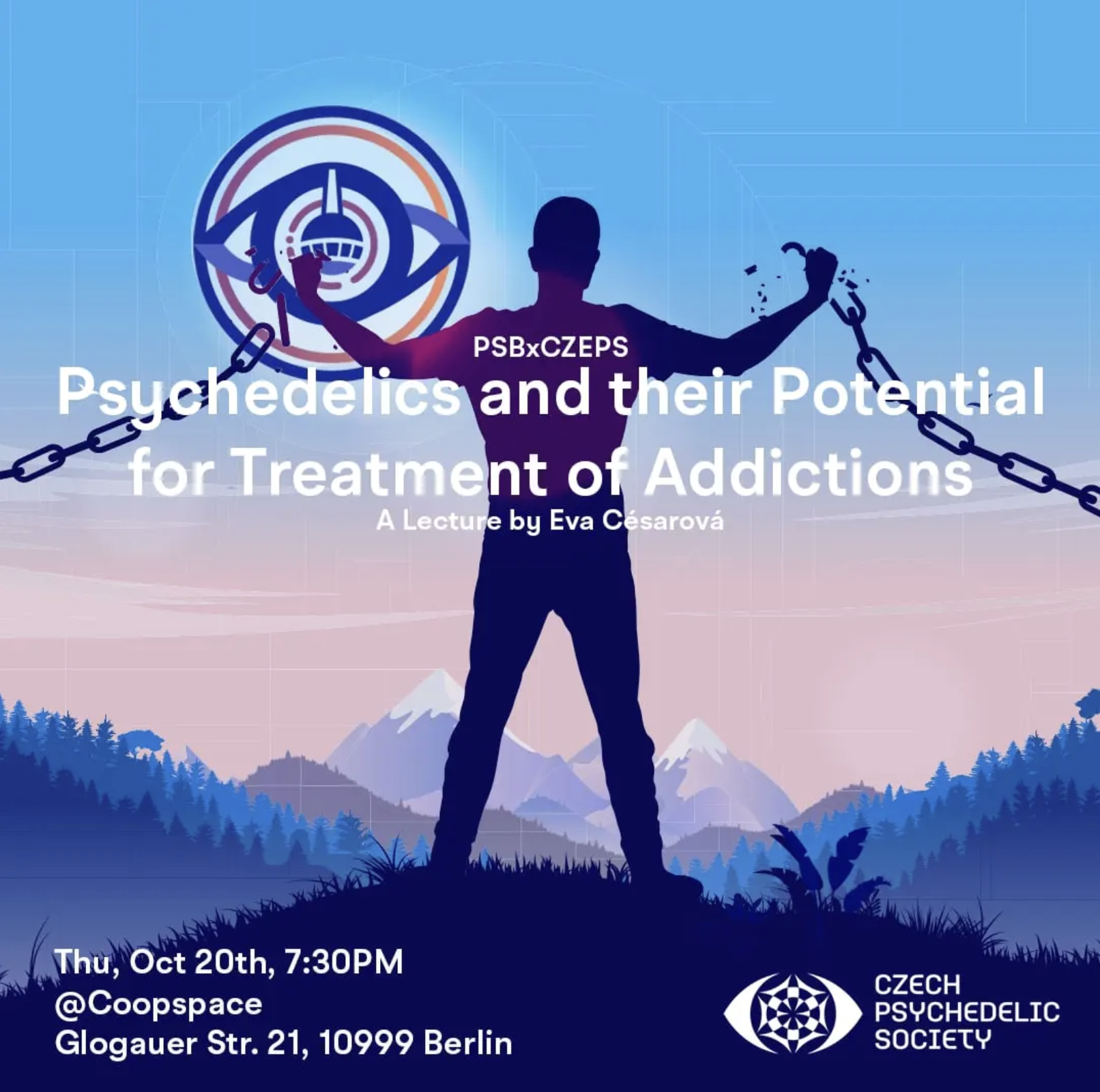
Eva Césarová explores contemporary approaches to substance-related addictions, linking them to trauma and underlying psychological patterns. The lecture presents the therapeutic potential of psychedelic substances, highlighting current research and practical applications in addiction treatment.

Césarová brings both research insight and hands-on experience, working with different levels of addiction and integrating psychedelic approaches into real-world healing contexts.